
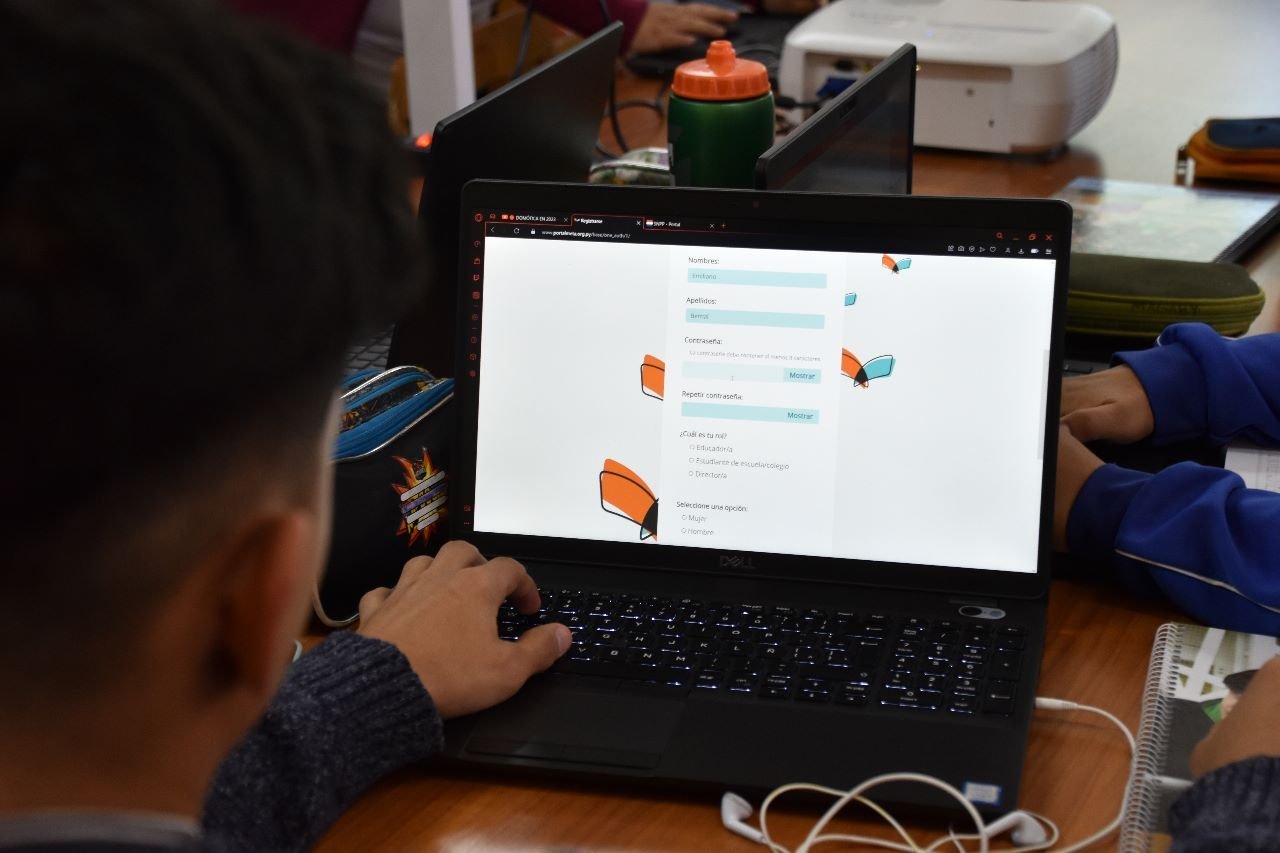
El Medio Educativo Tecnológico para el Aprendizaje (META) es una plataforma virtual que nace para fortalecer el proceso de enseñanza-aprendizaje de la comunidad educativa paraguaya desde un enfoque de innovación y de construcción colaborativa, ofrece recursos y servicios que potencien sus habilidades de forma equitativa e integral.
META tiene como objetivo apoyar el desarrollo de habilidades del siglo XXI, especialmente en la adquisición de habilidades digitales de estudiantes y docentes de instituciones educativas de gestión oficial.
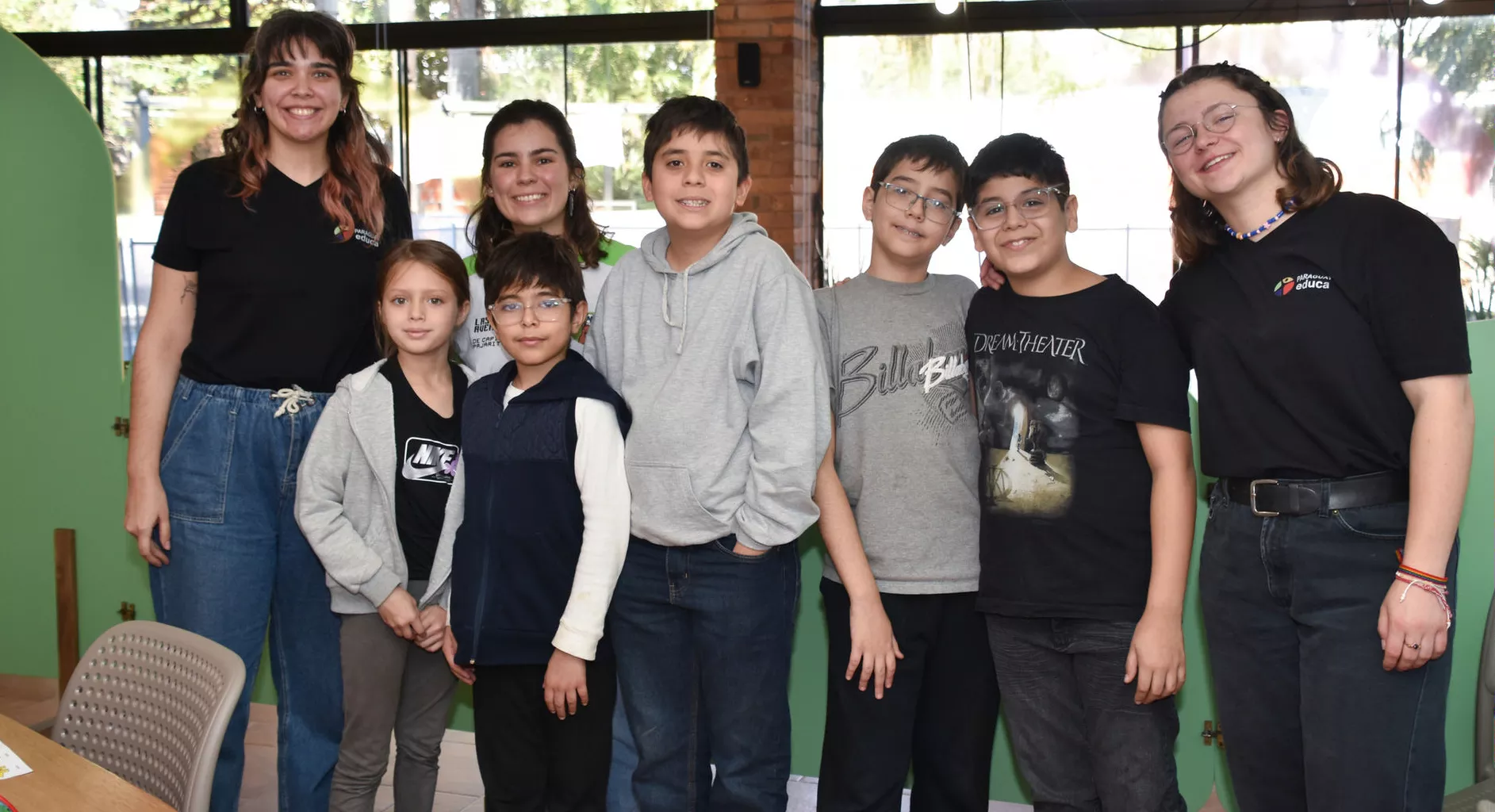
PYensa, es el primer espacio creativo tecnológico de PYeduca en la capital, ubicado en el Barrio Villa Morra.
Es un espacio de innovación, creación digital y aprendizaje colaborativo, donde se realizan talleres dirigidos a niños, niñas y adolescentes del tercer ciclo y educación media de instituciones educativas del sector privado. Estas actividades incluyen experiencias prácticas en impresión 3D, corte láser y tecnologías vinculadas al diseño, la robótica y la creatividad digital, con el objetivo de despertar vocaciones y acercar la tecnología a los jóvenes de manera accesible y significativa.
Este centro promete convertirse en un referente para la comunidad local. Diseñado para fomentar el aprendizaje y la creatividad tecnológica a través de las competencias STEAM (Ciencia, Tecnología, Ingeniería, Arte y Matemática, por sus siglas en inglés) con el objetivo de desarrollar experiencias para crear habilidades para la vida con el uso de la tecnología.
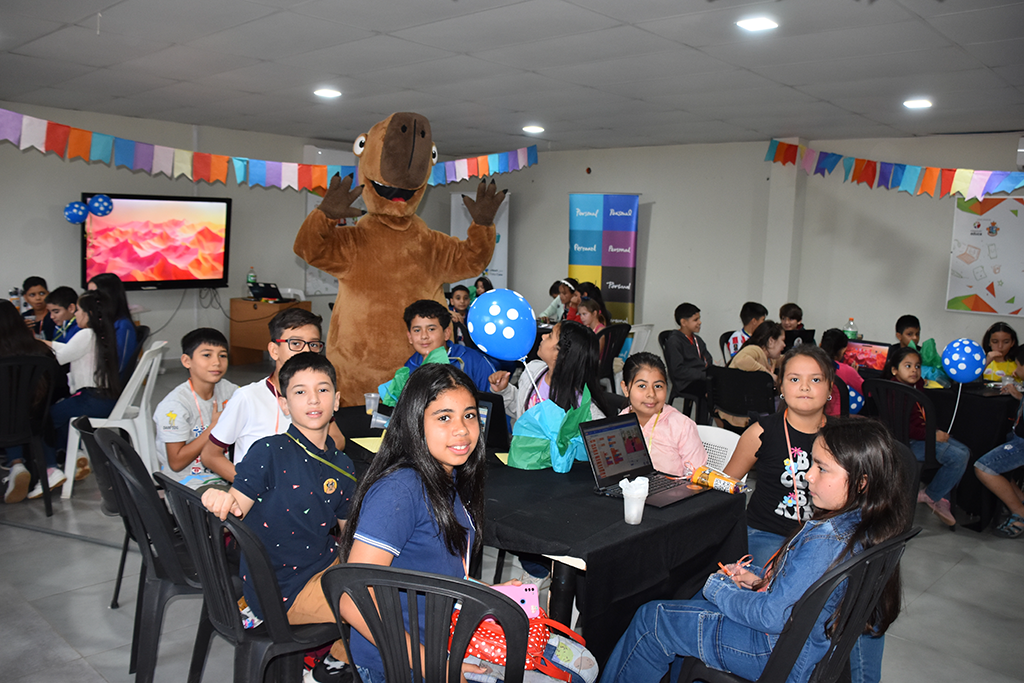
El Centro Tecnológico Serranía Municipal (CTSM) tiene por objetivo otorgar a los ciudadanos de Caacupé un espacio de formación y aprendizaje para así seguir posicionando a la ciudad como la primera ciudad tecnológica del país. El CTSM ofrece talleres y eventos a niños, jóvenes y adultos del distrito y sus alrededores para contribuir a la inclusión digital y al desarrollo comunitario.
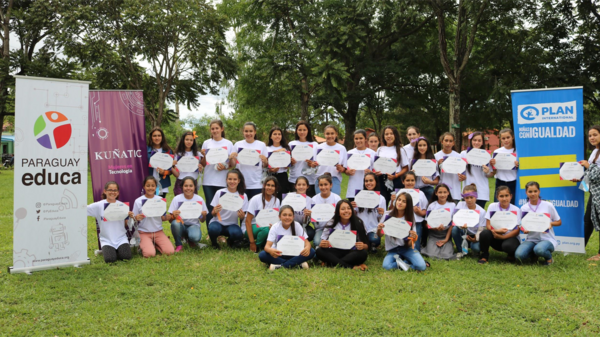
El Programa KuñaTIC tiene por objetivo empoderar a niñas y mujeres en actividades relacionadas a las áreas de STEAM (las siglas en español: Ciencia, Tecnología, Ingeniería, Arte y Matemática), a través de talleres y tutorías para desarrollar habilidades tecnológicas necesarias para competir en el mercado tecnológico global.
Desde el 2019 a 2024 se desarrollaron talleres Kuñatic en alianza con Plan Internacional con el objetivo de llegar a niñas adolescentes. Como parte del proyecto fueron entregadas tabletas a las beneficiarias. Además hemos trabajado en alianza con otras organizaciones como la Embajada de Canadá, Organización de los Estados Iberoamericanos (OEI), Roshka y la Universidad del Norte.
Ejes de formación:
- Ciudadana digital
- Colaboradora global
- Pensadora computacional.
Aliados:
- Embajada de Canadá
- Plan Internacional Paraguay
- Organización de Estados Iberoamericanos (OEI)
- Roshka
- Universidad del Norte
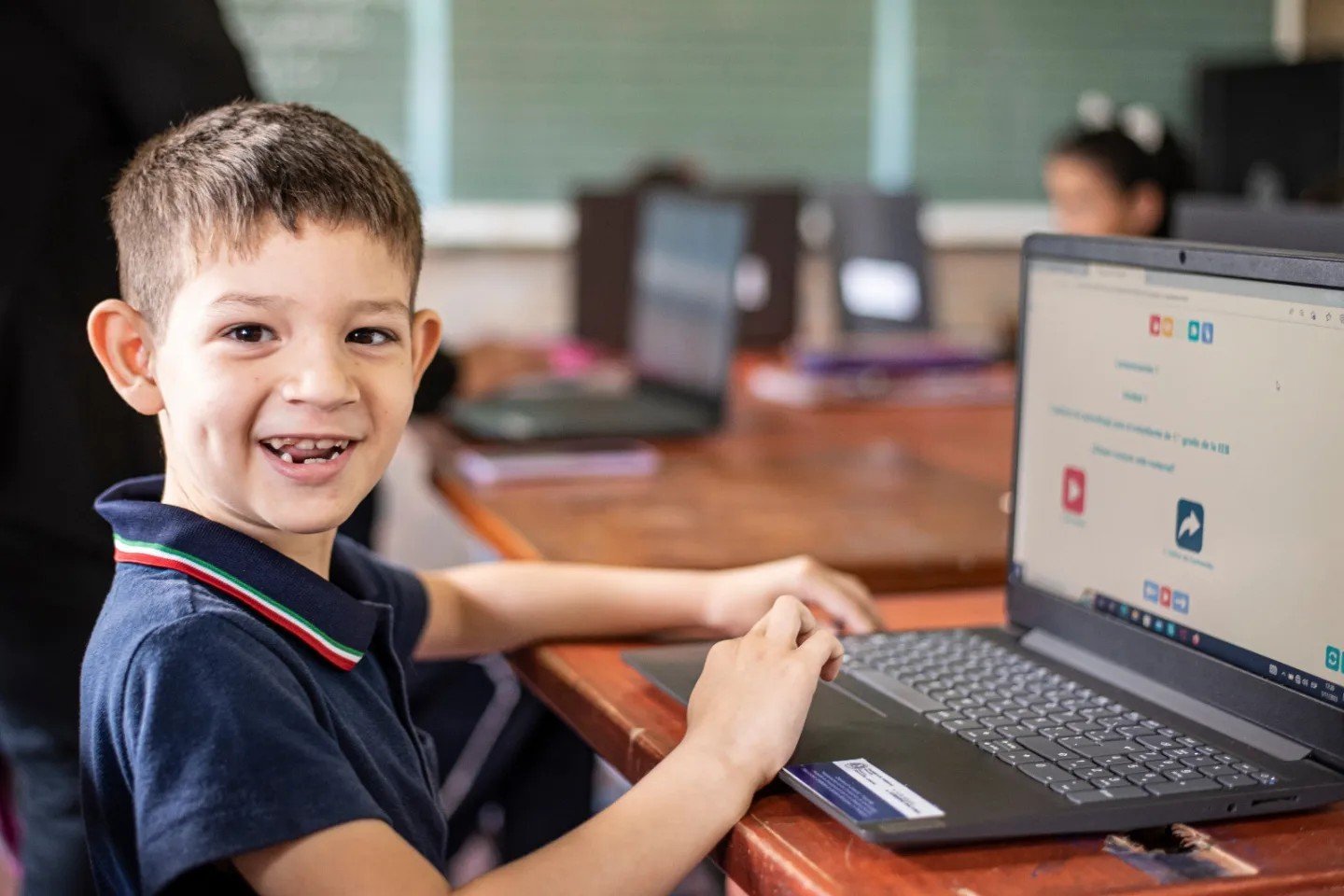
Aprendemos juntos: Libros Digitales Accesibles:
Proyecto liderado por el MEC, con apoyo de PYeduca y UNICEF. El mismo pone a disposición de los docentes herramientas teóricas y prácticas necesarias para comprender la importancia de las distintas formas de aprendizaje y promover la participación desde el Diseño Universal del Aprendizaje (DUA), e incorporar dentro del proceso de enseñanza-aprendizaje la utilización de textos digitales accesibles.
Reconocimiento:
Proyecto ganador del premio “Proyecto Cero 2024”, destacándose entre 523 nominaciones de 97 países por su innovación, impacto y escalabilidad.
Desde PYeduca hemos desarrollado los libros de textos digitales accesibles, cuya elaboración marca un hecho sin precedentes en el país, y un hito muy importante en la historia educativa, que demuestra que la tecnología es una aliada clave para responder a las necesidades reales y alcanzar la inclusión y la igualdad de oportunidades para todos los estudiantes.
Ilumina Tu Aula: Guía para la Inclusión de Estudiantes con Ceguera
Iniciativa realizada en alianza con la Asociación Santa Lucía y PYeduca.
La guía “Ilumina Tu Aula” ha sido creada para ofrecer respuestas prácticas a las preguntas más frecuentes que enfrentan los docentes cuando reciben en sus aulas a estudiantes con ceguera. A través de orientaciones sencillas, se busca proporcionar a los educadores las herramientas necesarias para identificar y utilizar los recursos educativos que faciliten la inclusión de estudiantes con discapacidad visual, asegurando su participación plena en las actividades escolares.

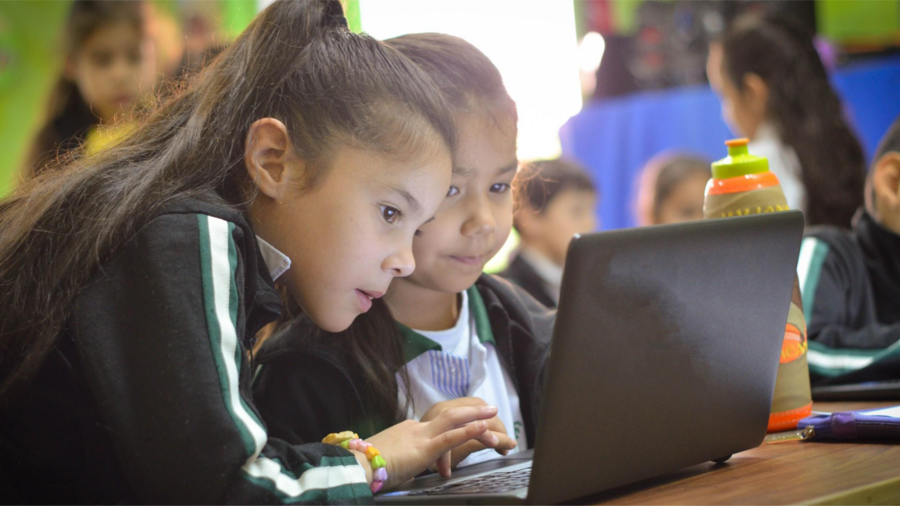
El programa UCPN, implementado en el distrito de Caacupé desde el año 2009, considera que la tecnología, aparejada con un modelo pedagógico construccionista y un trabajo de involucramiento comunitario, proporciona a niños, educadores, familiares y autoridades gubernamentales, la posibilidad de participar activamente en el desarrollo de su comunidad.
Historia:
El Programa “Una computadora por niño” (UCPN) fue presentado globalmente por su cofundador Nicholas Negroponte en el Foro Económico Mundial en enero de 2006. A nivel internacional, dicho programa es desarrollado por la organización “One Laptop Per Child” (OLPC) – sus siglas en español “Una Computadora por Niño” (UCPN) – creada por catedráticos del Instituto Tecnológico de Massachusetts (MIT) para diseñar, fabricar y distribuir computadoras portátiles no comercializables a niños de países en vías de desarrollo con fines educativos.
En mayo del año 2008, un grupo de entusiastas jóvenes paraguayos asistió a la Cumbre Anual del Programa OLPC, realizada en el MIT de Boston. Ellos nunca imaginaron que luego de 4 días de extensos seminarios y conferencias, acabarían conversando con uno de los responsables del programa a nivel mundial, para que este sueño pudiera concretarse en Paraguay.
Volvieron al país con una promesa de donación de 4.000 computadoras, modelo XO, de OLPC de la Society for Worldwide Interbank Financial Telecommunication (SWIFT), con la condición de que una organización se encargará de la contrapartida para la ejecución del programa. De regreso a Paraguay, estos jóvenes y otros amigos de la causa dejaron sus trabajos y se embarcaron en la gestación de PYeduca. Pasaron meses intensos de presentaciones de la iniciativa a empresarios locales, políticos, sociedad civil y autoridades, acompañados de reconocidos expertos técnicos y educadores, quienes también se adhirieron a la causa.
El objetivo era demostrar que este modelo pedagógico UCPN era replicable en las escuelas públicas del país. La comunidad de Caacupé fue seleccionada como sede de implementación del piloto por su cercanía a la ciudad de Asunción y por sus elevados índices de migración. Por lo tanto, el programa serviría, además de acortar la brecha digital, para conectar a los niños con sus familiares migrantes.
Se realizaron alianzas estratégicas con universidades, empresas privadas y otras organizaciones de la sociedad civil. El rol y el aporte de los medios de comunicación fue clave para el desarrollo del programa y la visibilidad de PYeduca, difundiendo su labor en destacadas publicaciones, y acompañando muy de cerca el proceso de implementación.
Ese año PYeduca recibió una donación del Banco Interamericano de Desarrollo (BID) para cubrir los gastos de la ejecución y mantenimiento del piloto por dos años en 10 escuelas de la ciudad.
En el año 2011, luego de dos años exitosos de implementación del piloto, con el apoyo de la ITAIPU Binacional se pudo llegar a 25 escuelas más y así cubrir la totalidad de las 35 escuelas públicas y subvencionadas de la ciudad de Caacupé.
Con la gestión ininterrumpida del programa UCPN, PYeduca se ha convertido en una organización referente en el país en materia de Tecnologías de la Información y Comunicación (TIC) aplicadas a educación y desde el año 2015 el programa UCPN se ha convertido en Política Educativa para el MEC.
En el 2017 PYeduca fue adjudicada con la Licitación Pública Nacional del MEC para implementar el programa UCPN en Caacupé dentro del marco de la “Consultoría para la incorporación de tecnología en la educación (Modelo 1 a 1) en el distrito de Caacupé” y está a cargo del componente de implementación del programa en sus 35 escuelas por 3 años, el mismo inició en enero del 2018. Su plan de trabajo comprende actividades en el ámbito educativo, tecnológico y comunitario, con un equipo conformado por 11 profesionales.
PYeduca creó la primera ciudad digital del país en Caacupé, a través de la provisión de computadoras a escolares, conectividad en las escuelas y plazas, y formación permanente y continua a niños, docentes y familias.
El programa en Paraguay:
El programa UCPN implementado en Caacupé, impulsado por PYeduca desde el 2008, cuenta con el apoyo del Ministerio de Educación y Cultura (MEC) desde sus inicios. Representa una oportunidad para el niño en edad escolar, que de manera individual, utiliza la tecnología computacional como herramienta que le permite expandir sus horizontes de aprendizaje.
El programa se basa en el marco teórico del “construccionismo”, sustentado por el autor Seymour Papert, pionero de la inteligencia artificial, inventor del lenguaje de programación Logo y el aprendizaje asistido por computadoras, así como también por su mentor, Jean Piaget, estudioso del pensamiento lógico matemático en los niños.
Se considera que la tecnología, aparejada con un modelo pedagógico construccionista y un trabajo de involucramiento comunitario, proporciona a niños, educadores, familiares y autoridades gubernamentales, la posibilidad de participar activamente en el desarrollo de su comunidad.
En efecto, cuando el niño introduce la computadora en su entorno social, se logra la inclusión de la familia y de la comunidad en los procesos de aprendizaje. El niño se convierte así en un agente multiplicador generando un impacto que trasciende el aula y la escuela.
El programa UCPN implementado en el distrito de Caacupé desde el año 2009, considera que la tecnología, aparejada con un modelo pedagógico construccionista y un trabajo de involucramiento comunitario, proporciona a niños, educadores, familiares y autoridades gubernamentales, la posibilidad de participar activamente en el desarrollo de su comunidad.
El modelo pedagógico 1 a 1 se diferencia de otros modelos educativos tecnológicos, ya que la tecnología computacional es utilizada como una herramienta a través de la cual cada niño puede potenciar su creatividad y construir su propio conocimiento en base a su propia experiencia. “Aprender a aprender” es el factor de cambio revolucionario en el proceso cognitivo y creativo de los alumnos. El niño tiene en sus manos como propietario final una herramienta que le permite informarse, comunicarse, y por sobre todo, construir conocimiento libremente.
Principios filosóficos de UCPN:
UCPN se fundamenta en principios filosóficos que deben ser respetados durante la ejecución del programa para la correcta aplicación del modelo propuesto. Ellos son:
- Temprana edad: cuanto más temprano se incorpora el niño al programa, más rápido adquirirá habilidades para lograr la fluidez digital.
- Propiedad: el niño es propietario de su computadora, por lo que el aprendizaje no se restringe al ámbito de la educación formal ni se interrumpe al salir del aula. El niño está en condiciones de seguir aprendiendo en otros espacios, ya sea en el hogar o en proyectos personales fuera de la escuela. Esto también permite que la familia se beneficie de manera indirecta.
- Saturación: la experiencia de UCPN en el mundo sostiene que la apropiación por parte de la comunidad ocurre cuando todos sus miembros son partícipes del proyecto. Es decir, todos los niños del distrito de intervención son parte del programa. De esta manera se enfatiza el aprendizaje cooperativo y el sentido de equidad en el acceso a las mismas oportunidades por parte de todos.
- Conectividad: a través de internet, los niños tienen una ventana al mundo de la información y es lo que complementa a la riqueza del programa, la posibilidad de ver el mundo a través de la computadora. De esta forma la escuela vuelve a convertirse en el epicentro de la dinámica comunitaria, más allá del horario de clase.
- Software libre: la información y el conocimiento deben ser de acceso universal, razón por la que UCPN se suma al movimiento de Código Abierto a nivel global. Se trabaja con software libre porque cada niño debe crear su propio espacio de aprendizaje y acceder a un universo de datos que le permita crear y/o modificar herramientas de programación ya creadas de acuerdo a sus necesidades.
Interfaz gráfica utilizada:
Sugar es la interfaz gráfica y conjunto de aplicaciones que corre sobre software libre diseñada con fines educativos por la comunidad de desarrolladores de la organización Sugar Labs.
Sugar es a la vez un entorno de escritorio y una colección de actividades. Actividades, como su nombre lo indica, son aplicaciones que implican la participación activa del estudiante. Actividades guarda automáticamente los resultados a un diario, donde se puede ver todas las tareas realizadas por el mismo.
Muchas de las actividades pueden ser compartidas entre los estudiantes y colaborar en tiempo real. El niño se involucra con la herramienta de manera más amigable y dinámica, en un espacio de aprendizaje diseñado con código abierto y flexible, lo que le permite moldear y adecuar su proceso creativo.
Como no está limitada por registros ni patentes comerciales, Sugar tiene como principio fundamental compartir conocimiento a través de los cientos de desarrolladores y hasta los mismos niños a nivel global, que construyen herramientas de aprendizaje para que todos aquellos que utilicen la herramienta se puedan beneficiar de ella.
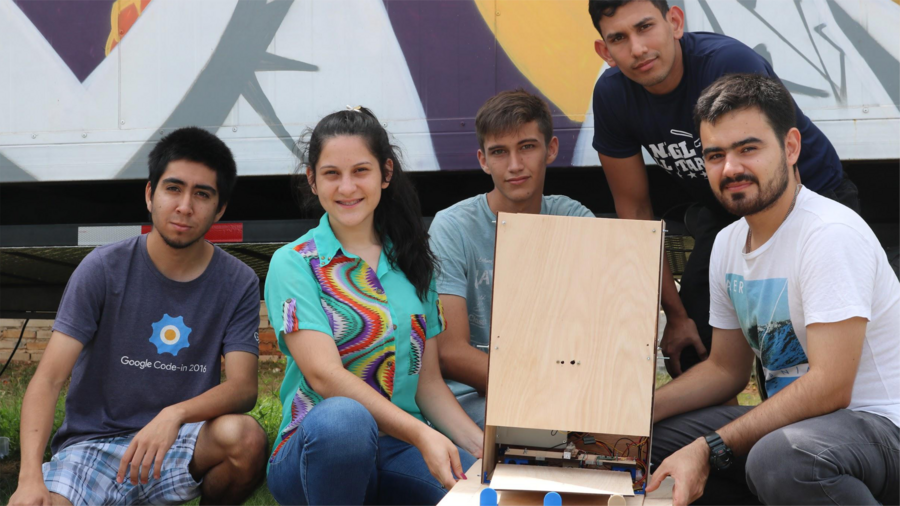
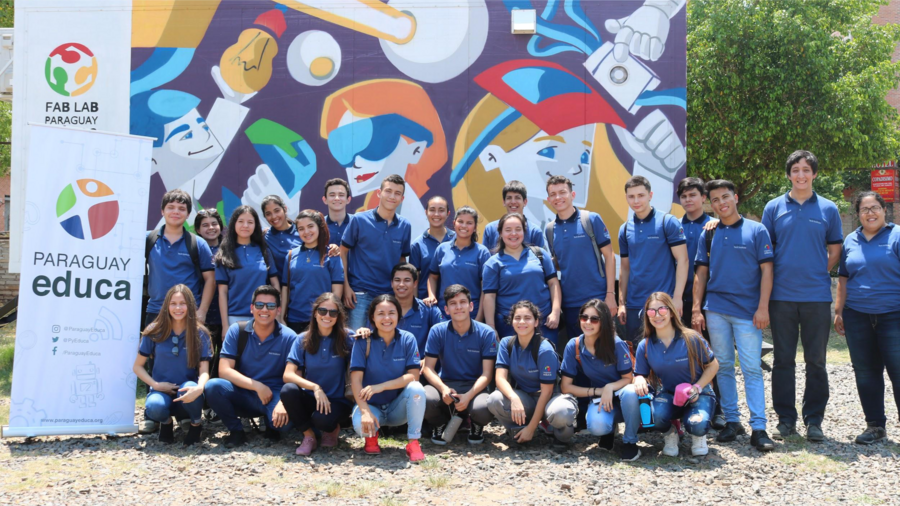
Es un espacio de creación y emprendimiento, equipado con impresora 3D, cortadora láser, fresadora, scanner y otras herramientas que permiten llevar cualquier idea a un prototipo.
Su componente de movilidad permite llegar a cualquier parte del país y así democratizar el acceso a sus herramientas, insumos, experiencias y lograr que sus usuarios pasen de ser consumidores de tecnología a asumir el rol de diseñadores de sus propias ideas, productos y soluciones.
Equipamiento:
- Cortadora Láser
- Fresadora CNC
- Impresora 3D FDM
- Scanner 3D
Además, cuenta con computadoras de alta gama, kits de Arduino y herramientas de soldadura y carpintería.
Samsung innovation campus:
Samsung Innovation Campus forma parte de un programa global de formación para jóvenes estudiantes de colegios secundarios públicos, que ofrece capacitación en codificación y programación junto con formación en habilidades blandas para mejorar su empleabilidad y su capacidad para utilizar e implementar sus conocimientos en la vida cotidiana.
A través de este programa educativo, los jóvenes que participan aprenden conceptos y destrezas prácticas de codificación y habilidades para programar utilizando Scratch, Arduino, Rurple HTML, CSS, Python, Java, Javascript, .net y el uso que estas herramientas tienen para la solución de problemas.
Beneficiarios:
- 30 Estudiantes de Nivel Medio
- 2 Colegios técnicos de Fernando de la Mora y Ciudad del Este
Samsung Tech Institute:
Un proyecto que tiene por objetivo impulsar el aprendizaje de los jóvenes y brindar herramientas prácticas para mejorar su preparación profesional y empleabilidad. El mismo es implementado con el apoyo de Samsung Paraguay desde el año 2017.
Ejes de trabajo:
- Desarrollo personal y profesional.
- Capacitación técnica.
En números:
- 86 beneficiarios
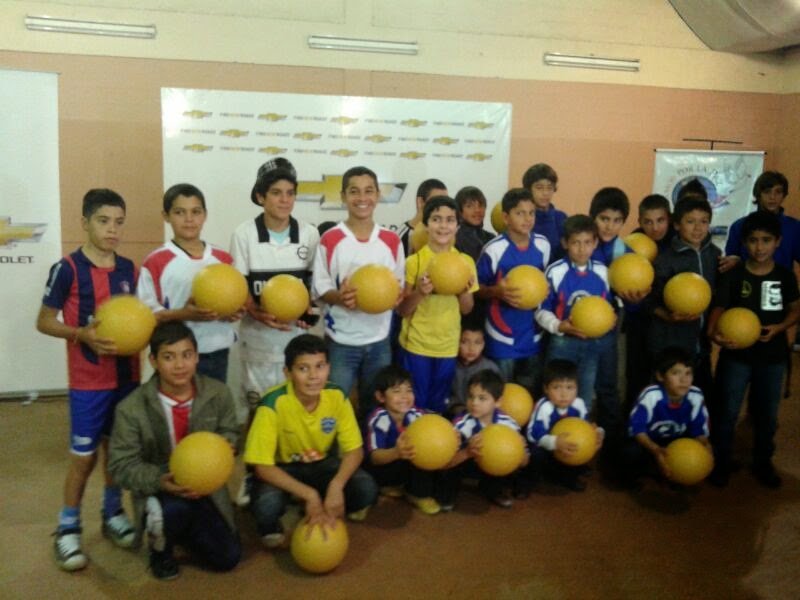
Proyecto trabajado en alianza con Chevrolet que buscaba la educación en valores a través del deporte, para lo cual se plantearon torneos de fútbol interescolares y la presentación de propuestas de trabajo en equipo, respeto y valores que deben estar presentes en cualquier momento y competencia.
El proyecto consistió en representar valores que ayudan al trabajo en equipo, utilizando la herramienta tecnológica Scratch.
500 pelotas donadas
500 niños y niñas beneficiadas